

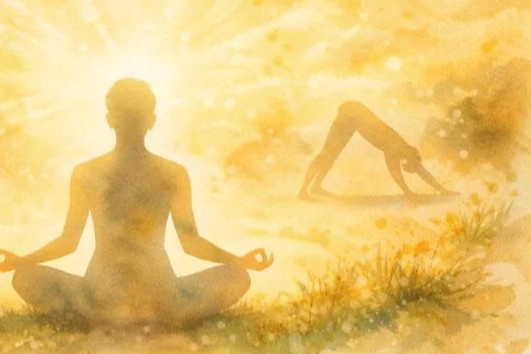
What is Yoga?
Yoga is an ancient practice that brings together the mind, body, and soul through movement, breath, and mindfulness. It’s much more than a physical workout—it’s a system for cultivating strength, flexibility, balance, and inner calm.
The Benefits of Yoga
Through regular practice, yoga can help you:
Improve strength, posture, and flexibility
Reduce stress and calm the mind
Increase focus, clarity, and mental resilience
Connect more deeply with your body, breath, and emotions
Explore self-discovery and personal growth
How Yoga Works
Yoga combines several elements:
Postures (asanas): Build strength, improve mobility, and enhance body awareness
Breathwork (pranayama): Calm the nervous system, reduce stress, and increase focus
Meditation & Relaxation: Quiet the mind, support emotional resilience, and promote peace and clarity
Each class encourages you to move with intention, breathe mindfully, and listen to your body.
Yoga for Everyone
Yoga is highly adaptable and welcoming to people of all ages, levels, and abilities. Whether you’re new to the mat or have practiced for years, yoga offers tools to:
Honor your body
Nurture your mind
Explore your inner world
It’s a practice that encourages patience, self-compassion, and self-acceptance, creating a safe and supportive space to slow down, reset, and reconnect with yourself.
Mind, Body, Spirit Connection
At its heart, yoga is about connection—to your breath, body, emotions, and life. Through consistent practice, you can experience:
Improved physical health
Greater mental clarity
A deeper sense of well-being that extends beyond the mat
Yoga is more than a practice—it’s a journey toward balance, awareness, and living fully in the present moment.
What is Ikigai?
Ikigai is a Japanese concept that roughly means “a reason for being.” It represents the sweet spot where your passions, talents, values, and purpose come together, giving your life meaning, motivation, and joy. Unlike chasing a single goal, Ikigai encourages living intentionally every day, finding fulfillment in both the small and big moments.
The Four Elements of Ikigai
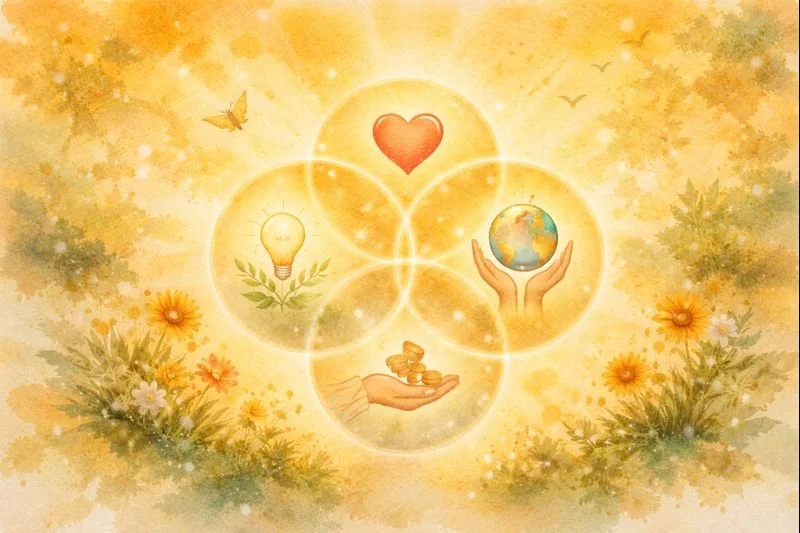
Ikigai is often visualized as the intersection of four key areas:
What you love – Activities, hobbies, or passions that bring you joy and excitement
What you are good at – Your skills, talents, and natural strengths
What the world needs – Ways you can contribute, help, or make a positive impact
What you can be paid for – Work, services, or opportunities that sustain you financially
When these four elements overlap, you reach your Ikigai—a life where purpose, passion, and practicality coexist.
Why Ikigai Matters
Practicing Ikigai encourages:
Self-reflection – Understanding your true passions and values
Alignment – Making choices that honor your strengths and goals
Fulfillment – Experiencing joy, balance, and meaning in your daily life
Resilience – Feeling motivated and grounded, even during challenges
Ikigai is not just about career or money—it’s about cultivating a life where every day feels intentional, connected, and meaningful.
How to Discover Your Ikigai
You can explore your Ikigai by asking yourself:
What do I truly love doing?
What am I naturally good at?
How can I serve or contribute to others?
What can I do that supports me financially?
The answers to these questions reveal where your passion, talent, mission, and vocation intersect, guiding you toward a more purposeful life.
Bringing Ikigai into Your Daily Life
Ikigai isn’t a distant goal—it’s a practice. By reflecting, experimenting, and making small adjustments, you can:
Align your work, hobbies, and relationships with your passions
Make intentional choices that honor your values
Cultivate a sense of joy, purpose, and balance every day
At its heart, Ikigai is about living fully and intentionally, finding meaning in both the ordinary and extraordinary moments of life.
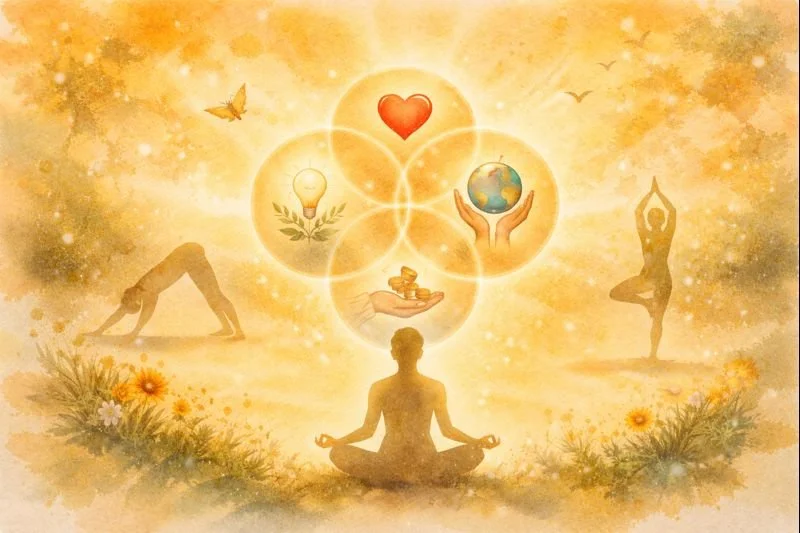
Ikigai and Yoga: Finding Balance and Purpose
Yoga is more than movement—it’s a path to self-discovery, presence, and connection. When paired with the concept of Ikigai—your “reason for being”—yoga can help you align your mind, body, and spirit with your passions, strengths, and purpose.
How Yoga Supports Your Ikigai
Practicing yoga encourages you to:
Connect with your body – Increase awareness of your strengths, limitations, and needs
Cultivate mindfulness – Learn to be present, quiet your mind, and notice what truly matters
Explore your passions and values – Create space for reflection and clarity
Build resilience and balance – Strengthen both physically and emotionally for life’s challenges
Through intentional movement, breathwork, and meditation, yoga gives you the tools to explore your Ikigai in a practical, lived way—finding alignment in your daily choices, relationships, and work.
The Intersection of Mind, Body, and Purpose
Yoga helps you access the four elements of Ikigai:
What you love – Feel joy and energy in movement and mindfulness practices
What you are good at – Notice your strengths and cultivate new skills
What the world needs – Practice compassion and service through your actions
What you can be paid for – Gain focus and clarity for meaningful work
By practicing regularly, you can connect your inner purpose with your outer life, bringing more clarity, confidence, and fulfillment both on and off the mat.
Bringing Ikigai Into Your Practice
Use yoga as a tool to:
Slow down and listen to the body
Explore passions, strengths, and personal values
Cultivate balance, clarity, and intention in everyday life
Yoga isn’t just exercise—it’s a path to your Ikigai, helping you live with joy, purpose, and presence in every moment.